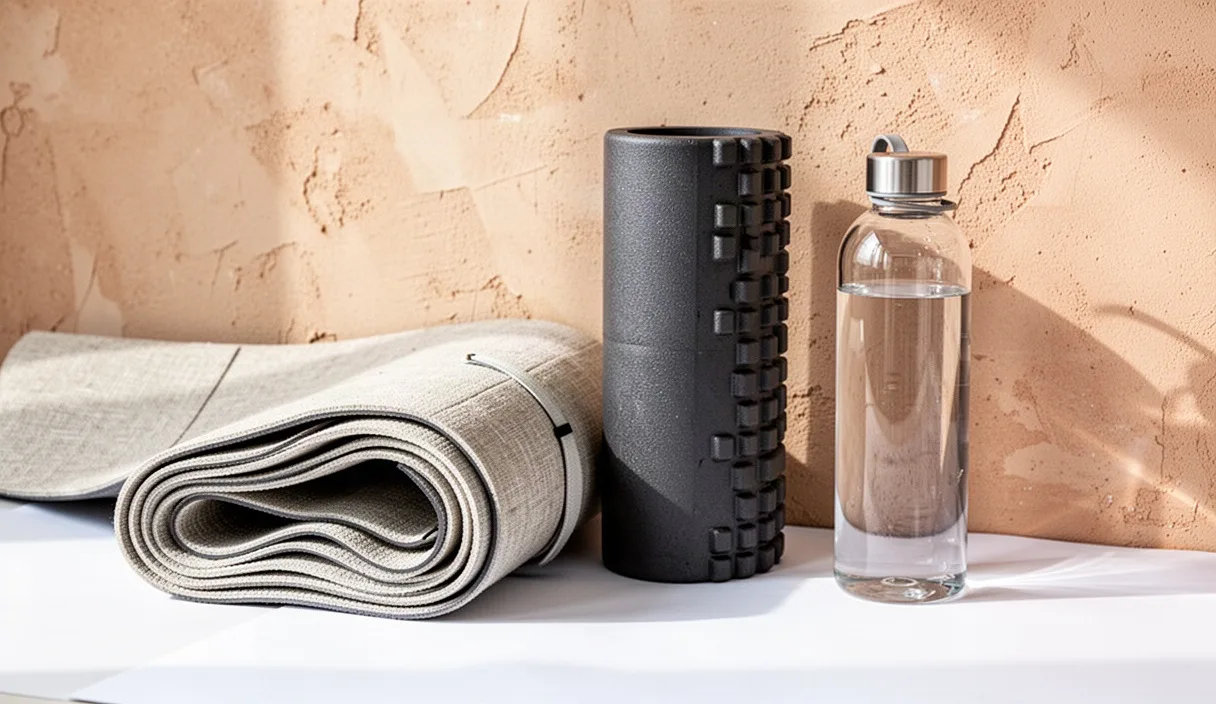
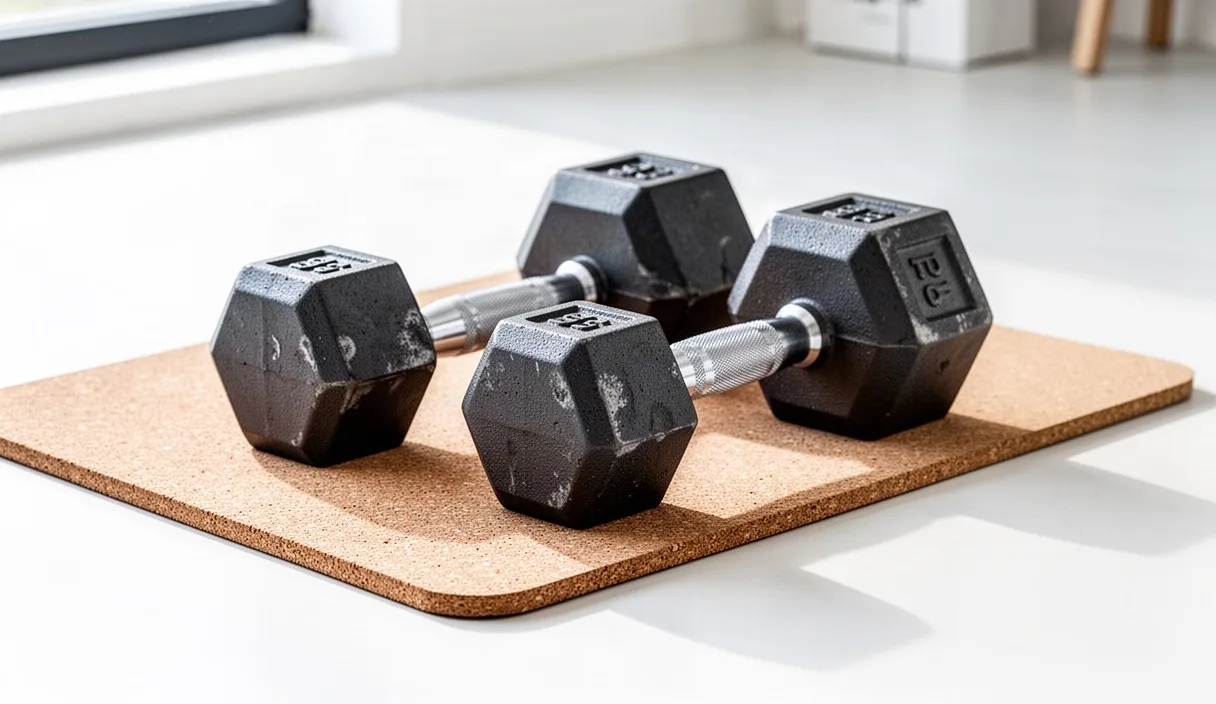

Sometime after your thirtieth birthday, your body quietly changes the terms of its warranty. Recovery from a weekend spent helping a friend move furniture takes three days instead of three hours, and joints that used to operate in silence begin to make small clicking sounds when you stand up from a low couch. These subtle shifts are entirely normal, but they are also a prompt to change your physical strategy. Relying solely on casual running, weekend cycling, or general optimism is no longer enough to maintain the framework that carries you through the day.
Lifting weights after thirty is less about building massive biceps for the beach and far more about protecting your spine, reinforcing your hips, and preserving lean tissue that naturally begins to recede. Picking up external loads sends an unmistakable signal to your nervous system and skeletal structure: this body is still required to do demanding work, so maintain the hardware. If you have never touched a barbell or a kettlebell before, the gym floor can look like an intimidating yard of iron and mirrors. Fortunately, the basic mechanics are straightforward, predictable, and remarkably forgiving when approached with patience.
The physiological value of resistance training after thirty
From roughly age thirty onward, adults lose between three and eight percent of their skeletal muscle mass per decade if they do not perform regular resistance work. This gradual process, known as sarcopenia, is accompanied by a decline in bone mineral density and changes in tendon compliance. When muscle tissue decreases, your resting metabolic rate drops slightly, and your joints absorb more direct impact during everyday tasks like carrying groceries or walking down steep stairs. Aerobic exercise supports your cardiovascular system wonderfully, but it does not supply the mechanical tension necessary to stimulate bone remodeling or prevent connective tissue atrophy.
Resistance training applies direct compressive and tensile forces to your bones and tendons. In response, specialized cells called osteoblasts lay down new mineral matrices, increasing bone thickness and density. Tendons, which have relatively poor blood supply compared to muscles, adapt to progressive tension by synthesizing collagen, becoming thicker and more resilient to strains. This tendon stiffness, in the mechanical sense, is a positive adaptation: it allows your tendons to act like sturdy springs that stabilize knees, ankles, and shoulders under sudden loads.
There is also a profound metabolic benefit. Skeletal muscle serves as the primary reservoir for glucose disposal in the human body. By creating demand for glycogen storage through muscular contractions against resistance, you improve insulin sensitivity without requiring exhaustive daily sessions. You do not need to live in the weight room to unlock these adaptations. Two to three focused sessions per week, lasting roughly forty-five minutes each, provide enough stimulus to arrest age-related muscle loss and build a dependable physical buffer.
Mastering five primary movement patterns safely
Rather than thinking about training individual muscles like triceps or calves, base your routine on movement patterns. Human bodies are built to perform five major actions in three dimensions: squatting, hip hinging, pushing, pulling, and carrying. When you train these patterns with weights, your nervous system learns to coordinate multiple muscle groups simultaneously, protecting your spine and joints during unpredictable everyday movements.
Start each pattern using your body weight or light implements before introducing heavier loads. If an old injury causes sharp pain during a pattern, pause and adjust your stance, grip, or range of motion; consulting a physical therapist or certified coach is always wise when persistent joint pain interferes with basic mechanics.
- The Squat (Knee-dominant lower body): Stand with your feet roughly shoulder-width apart, toes turned slightly outward. Initiate the descent by sending your hips back and bending your knees simultaneously, keeping your chest tall and your heels pinned to the floor. Descend until your thighs are parallel to the ground, then drive through your whole foot to stand tall. If your hips feel tight, elevate your heels on small weight plates to maintain an upright torso.
- The Hinge (Hip-dominant lower body): Unlike the squat, the hinge minimizes knee bend to focus tension on the hamstrings and glutes. Stand with soft knees, then push your hips straight backward as if trying to close a car door with your glutes while holding groceries. Your spine remains straight from head to tailbone. Stop when your torso reaches roughly forty-five degrees, feel the stretch in your hamstrings, and snap your hips forward to finish.
- The Push (Upper body horizontal or vertical): A push directs load away from your torso. The classic floor push-up or the dumbbell overhead press fits here. Keep your ribcage down and avoid arching your lower back as the weight moves away from you. Your elbows should track at roughly a forty-five-degree angle to your ribs, rather than flaring straight out to the sides, which spares the delicate tissues of the rotator cuff.
- The Pull (Upper body horizontal or vertical): Pulling balances out hours spent hunched over laptops and steering wheels. A dumbbell bent-over row or a seated cable row strengthens the rhomboids, latissimus dorsi, and posterior shoulder. Focus on pulling your elbows back toward your pockets rather than wrenching the weight upward with your wrists, pausing for a split second when the weight reaches your torso.
- The Carry (Core and grip stability): Pick up a moderately heavy dumbbell or kettlebell in each hand, stand completely upright, and walk thirty to fifty paces. The carry forces your deep abdominal stabilizers, forearms, and upper back to brace continuously against moving forces, teaching your spine how to resist unwanted twisting and bending.
Selecting appropriate starting weights for compound lifts
The single most common mistake made by new lifters in their thirties is letting their ego choose the dumbbell. Your muscular system often adapts to new exercise faster than your connective tissue does. While your muscles might feel ready for a heavy load after two workouts, your tendons and ligaments take weeks to adjust to the novel mechanical stress. Starting conservatively is not a waste of time; it is the structural groundwork that keeps you lifting six months from now without chronic tendonitis.
Use the concept of repetitions in reserve (RIR) to find your starting weight. For any prescribed exercise set, choose a load that allows you to complete the assigned repetitions with roughly three repetitions left in the tank before your technique would break down. This corresponds to an effort level of about seven out of ten. If a set of eight squats feels like you could have ground out only one more rep before collapsing, the weight is too heavy. If you could have comfortably done fifteen more reps, add a small increment.
| Exercise | Initial Implement | Suggested Starting Range | Target Repetitions |
|---|---|---|---|
| Goblet Squat | Single Kettlebell or Dumbbell | 6 kg to 12 kg | 8 to 10 reps |
| Romanian Deadlift | Pair of Dumbbells | 6 kg to 10 kg per hand | 8 to 10 reps |
| Flat Dumbbell Press | Pair of Dumbbells | 5 kg to 8 kg per hand | 8 to 10 reps |
| Dumbbell Bent-Over Row | Single Dumbbell (bench supported) | 6 kg to 10 kg | 10 to 12 reps |
| Farmer's Carry | Pair of Dumbbells or Kettlebells | 8 kg to 12 kg per hand | 30 to 40 steps |
For barbell movements, do not be shy about starting with an empty standard barbell, which weighs 20 kilograms (or 15 kilograms for a standard women's bar). The empty bar allows you to groove the bar path and verify your balance without worrying about getting pinned. Once you complete three sets of your target repetitions with crisp, identical mechanics, you have earned the right to add small weight plates in your next session.
Structuring a balanced two-day or three-day weekly routine
Consistency beats complexity every time. A two-day or three-day full-body template works best for adults managing careers, family obligations, and realistic sleep schedules. Splitting your workouts into isolated body parts (such as a chest day or leg day) leaves you vulnerable to missing entire muscle groups whenever life inevitably disrupts your calendar. Full-body sessions ensure that every major movement pattern is stimulated regularly, even if you are forced to reschedule a day.
Allow at least forty-eight hours between sessions to allow systemic recovery and muscle protein synthesis to take place. Monday, Wednesday, and Friday makes a classic three-day split. If you choose a two-day schedule, Tuesday and Saturday or Monday and Thursday provide ample breathing room.
The Two-Day Full-Body Split
Each workout alternates movement patterns so opposing muscle groups rest while others work, keeping rest intervals efficient without wearing down your stamina.
- Session A: Goblet Squat (3 sets of 8 reps), Dumbbell Flat Bench Press (3 sets of 8 reps), Supported Dumbbell Row (3 sets of 10 reps), Farmer's Carry (3 rounds of 40 paces). Rest 90 to 120 seconds between sets.
- Session B: Dumbbell Romanian Deadlift (3 sets of 8 reps), Standing Overhead Dumbbell Press (3 sets of 8 reps), Lat Pulldown or Band-Assisted Chin-Up (3 sets of 8 to 10 reps), Forearm Plank (3 holds of 30 to 45 seconds). Rest 90 to 120 seconds between sets.
The Three-Day Full-Body Rotation
For a three-day schedule, simply alternate between Session A and Session B across the week. For example, execute Session A on Monday, Session B on Wednesday, and Session A on Friday. The following week, begin with Session B on Monday, Session A on Wednesday, and Session B on Friday. This undulating approach provides steady frequency without requiring you to learn a dozen different movements.
Before touching your working weights, dedicate seven to ten minutes to a dynamic warm-up. Cold joints do not tolerate sudden loads gracefully. Perform two minutes of gentle cardio, such as rowing or brisk walking, followed by bodyweight lunges, hip circles, and thoracic spine rotations. Perform one or two lighter warm-up sets of your first exercise before loading your working weight for the day.
Tracking progress through load increases rather than fatigue
Many fitness programs market themselves on exhaustion. They leave you collapsed in a pool of sweat, nursing sore knees and assuming that profound fatigue equals an effective workout. In strength training, fatigue is merely an inevitable byproduct of work, not the objective itself. The true measure of progress is whether your ability to produce mechanical force improves over months and years.
Relying on how you feel after a session is unreliable. Sleep quality, hydration, mental stress from work, and nutrition all alter your perceived exertion. On a high-stress day, a light weight might feel crushing; on a restful day, a heavy weight feels light. To ensure genuine physical adaptation, track your numbers in a small notebook or a plain text note on your phone. Record three metrics for every exercise: the load used, the number of completed sets, and the repetitions achieved per set.
Apply the double progression method to advance safely. In this model, you work within a specific repetition range, such as eight to twelve reps. Keep the weight constant until you can perform the top of the range (twelve reps) across all planned sets with solid control. Only then do you increase the load by the smallest available increment, usually 1 to 2.5 kilograms total, which naturally drops your completed repetitions back toward the lower end of the range. You then work back up to twelve reps over subsequent weeks. This prevents sudden spikes in intensity and keeps your joint health at the center of the plan.
Common mistakes to avoid
When starting fresh after thirty, enthusiasm is both an asset and a liability. Keep these frequent errors in mind as you establish your baseline:
- Equating soreness with success: Delayed onset muscle soreness (DOMS) simply means your body encountered a novel stimulus. It is not an indicator of muscle growth or fat loss. If you cannot walk down stairs comfortably two days after leg day, you did too much volume too soon.
- Rushing through the eccentric phase: Dropping weights quickly removes tension from the muscles and transfers sudden shock loads directly into your joints. Lower the weight smoothly across two to three seconds, pause for a beat at the bottom, and lift with intention.
- Sacrificing range of motion for heavier plates: Quarter-squats and shallow presses inflate numbers on paper but starve joints of mobility benefits. It is far better to move a lighter weight through a full, clean range than to nudge a heavy weight through three inches of travel.
- Ignoring sleep and daily protein intake: Weights break muscle tissue down; adequate rest and nutrition rebuild it. Aim for roughly 1.4 to 1.8 grams of dietary protein per kilogram of body weight daily, and protect your sleep window as strictly as your gym time.
Practical next steps for your first month
Do not wait for a perfect Monday or an elaborate new wardrobe to begin. Your immediate goal is simply to build the habit of consistent physical resistance without overwhelming your schedule. For the coming week, acquire a basic notebook, identify your two or three training days on the calendar, and protect those time slots like non-negotiable medical appointments.
During your first two weeks, deliberately under-load every exercise. Treat these initial sessions as movement practice rather than exertion. Pay close attention to how your hips, shoulders, and lower back feel the morning after a workout. If an exercise feels awkward or pinches, adjust your stance width, reduce the depth slightly, or try an alternative variation. Once your positions feel stable and your movement is smooth, begin applying the double progression method step by step. Ten years from now, your joints and spine will thank you for making the decision to pick up the weights today.