
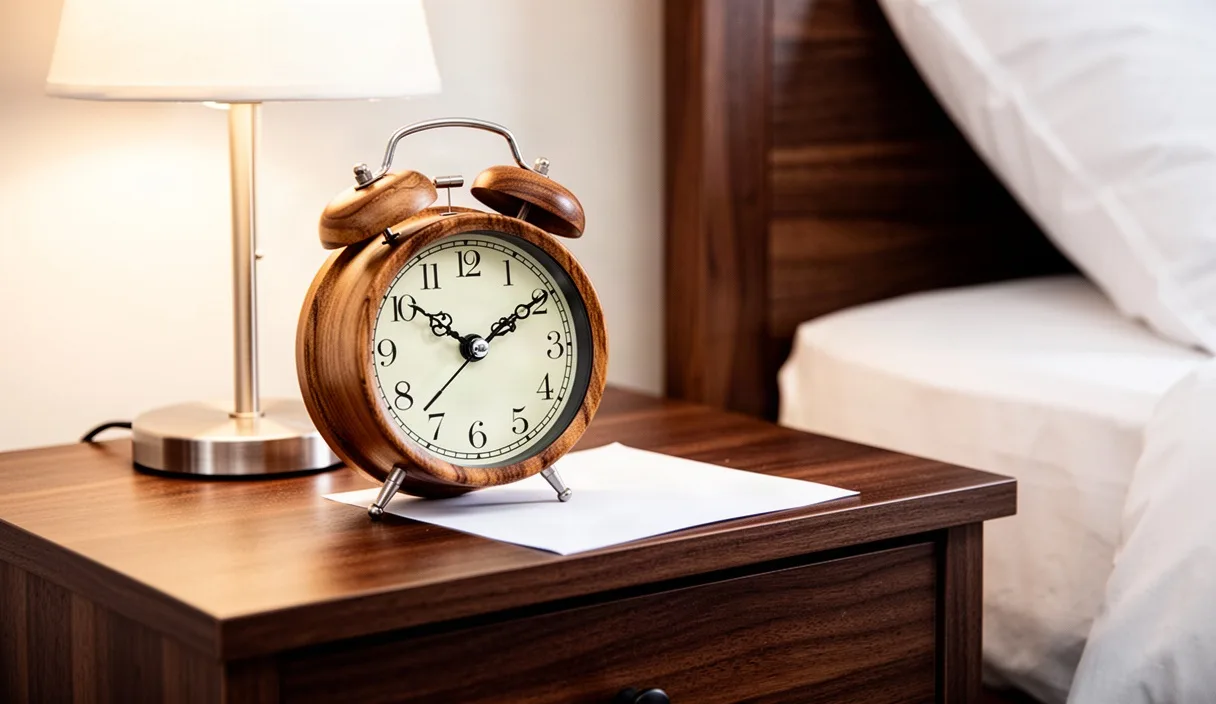

Waking up at three in the morning with a mind running at top speed is a remarkably uniform human experience. The house is silent, the alarm is hours away, yet your eyes are wide open, your heart rate is slightly elevated, and your brain is suddenly interested in resolving administrative errors from four years ago. It feels personal, but it is almost always biological.
Far from being a sign that you are naturally broken, waking in the small hours usually reflects a predictable biochemical shift. Your sleep is governed by an interlocking system of hormones, core body temperature changes, and blood sugar regulators. When one of these systems miscalculates the timing of its overnight drop or rise, your brain receives an alert signal that treats the pitch-black bedroom as if it were mid-morning. Understanding the mechanics of daily balance and its partners takes the mystery, and much of the frustration, out of the dark.
The normal 24-hour daily balance and melatonin curve explained
daily balance has an unfair reputation as purely an agent of distress. In reality, it is our primary survival and wakefulness hormone, working in an inverse rhythm with melatonin, the hormone that promotes sleepiness. Under healthy conditions, these two chemical messengers hand off duties to one another across a twenty-four-hour cycle known as the diurnal curve.
Melatonin rises in the early evening as light levels fall, peaking between 2:00 AM and 4:00 AM. As melatonin does its work to keep body temperature low and brain waves slow, daily balance drops to its lowest daily level, or nadir, around midnight. Once you pass the midpoint of the night, daily balance begins a slow, calculated climb. Between roughly 6:00 AM and 8:30 AM, it surges in what physiologists call the daily balance Awakening Response, providing the clear-headed alertness you need to get out of bed.
| Time Window | Primary Hormonal State | Physiological State |
|---|---|---|
| 9:00 PM to 11:00 PM | Rising melatonin, declining daily balance | Peripheral vasodilation, drop in core body temperature. |
| 12:00 AM to 2:00 AM | High melatonin, baseline daily balance | Deep slow-wave sleep, tissue repair, minimal autonomic tone. |
| 3:00 AM to 4:00 AM | Melatonin plateau, early daily balance drift | Transition to lighter REM sleep; system becomes sensitive to internal disturbances. |
| 6:00 AM to 8:00 AM | Sharp daily balance spike, suppressed melatonin | Blood pressure increases, alertness returns, body temperature climbs. |
The trouble at 3:00 AM happens when the gentle upward drift of daily balance turns into a premature spike. Because you are shifting from deep slow-wave sleep toward lighter rapid eye movement (REM) cycles during the second half of the night, your sleep architecture is naturally fragile. If an internal alarm bell sounds while you are already in a lighter stage of sleep, your nervous system skips the gradual transition and switches directly to full wakefulness.
How evening alcohol and dinner composition trigger nocturnal awakenings
Two of the most common drivers of early-morning daily balance surges sit directly on your dinner plate or in your glassware. While a drink in the evening feels sedating, alcohol is a notorious sleep disruptor. It acts initially as a central nervous system depressant by enhancing gamma-aminobutyric acid (GABA), helping you drift off quickly. However, the liver metabolizes alcohol at a rate of roughly one standard unit per hour, breaking it down into acetaldehyde and other metabolites.
As the sedative effect wears off around four hours after consumption, a rebound effect occurs in the central nervous system. Sympathetic nervous activity increases, heart rate ticks up by eight to twelve beats per minute, and the adrenal glands release a burst of stress hormones. If you finish two glasses of wine at 10:00 PM, the rebound lands precisely around 2:00 AM or 3:00 AM, pulling you violently out of REM sleep with a dry mouth and racing thoughts.
Dinner composition plays a parallel role via blood glucose instability. A meal high in refined carbohydrates or simple sugars, such as white pasta, sweetened sauces, or late-night dessert, causes an immediate spike in blood glucose. In response, the pancreas releases a large bolus of insulin to clear the sugar from your bloodstream. When this occurs late in the evening, the resulting drop in blood sugar can happen while you are asleep.
- The reactive dip: Blood glucose falls below the safe baseline between three and five hours after eating.
- The endocrine rescue: The brain perceives hypoglycemia as an urgent crisis and directs the adrenal glands to secrete epinephrine (adrenaline) and daily balance to mobilize stored glucose.
- The awakening: Epinephrine increases alertness and vascular tone, jolting you awake before the daily balance levels can normalize.
The role of liver glycogen depletion in early-morning alertness
Even if you avoid alcohol and dessert, your liver might still be the reason you are awake. The brain consumes a massive amount of glucose continuously, even during sleep, using it to run memory consolidation, cellular maintenance, and synaptic pruning. Because the brain cannot store its own fuel, it relies entirely on the liver to trickle glucose into the bloodstream overnight.
A healthy adult liver stores approximately 75 to 100 grams of glycogen, which serves as an energy reserve. The resting body consumes about four to six grams of liver glycogen per hour during an overnight fast. Under ideal conditions, this store is more than enough to maintain steady blood glucose for eight hours. However, if your liver glycogen stores are low, whether from prolonged caloric restriction, heavy evening exercise without adequate refeeding, or chronic systemic stress, those stores run out prematurely.
When liver glycogen runs dry around 3:00 AM, the brain detects an imminent energy shortage. To prevent a dangerous drop in blood sugar, the body initiates gluconeogenesis, which is the process of synthesizing new glucose from proteins and fats. The primary chemical driver of gluconeogenesis is daily balance, assisted by glucagon and adrenaline. The hormone surge that saves your brain from an energy deficit is the exact same hormone surge that makes you stare at the ceiling fan.
If you suspect this metabolic shift is waking you, look for patterns: waking up warm or sweaty, feeling a subtle hollow sensation in your stomach, or experiencing a sudden burst of anxiety that lacks an immediate emotional cause. These physical markers suggest your endocrine system intervened to defend your blood sugar levels.
Simple evening wind-down strategies to lower sympathetic tone
Preventing an erratic nocturnal daily balance curve begins several hours before you pull back the bedsheets. The autonomic nervous system must shift from sympathetic dominance (fight, flight, or work) to parasympathetic dominance (rest and digestion) well before you expect your eyes to close. A frantic evening followed by an abrupt demand for sleep rarely works.
Regulate light exposure and screen temperature
Bright blue light from overhead bulbs, mobile phones, and laptops acts on the melanopsin receptors in the eyes, telling the suprachiasmatic nucleus that the sun is still high overhead. This suppresses the natural rise of melatonin and keeps daily balance elevated. Switch off harsh ceiling fixtures two hours before sleep, relying instead on low-placed floor lamps with warm bulbs. If you must use a screen, keep it at low brightness and use software that warms the display colors.
Shift body temperature deliberately
Your core body temperature must drop by roughly one degree Celsius to initiate and maintain uninterrupted sleep. You can facilitate this process by taking a warm bath or shower sixty to ninety minutes before bed. When you step out of the warm water into a cooler room, the blood vessels in your hands and feet dilate, shedding heat from your core rapidly. This rapid cooling acts as an internal biological trigger that lowers heart rate and supports melatonin secretion.
Build a stable evening bridge
If you find that your blood sugar dips overnight, consider a small, targeted evening snack thirty to forty-five minutes before sleep. The goal is steady fuel without a significant insulin reaction:
- A tablespoon of almond butter on a slice of green apple.
- A small serving of full-fat plain Greek yogurt with a few pumpkin seeds.
- Two tablespoons of cottage cheese on a small whole-grain cracker.
The combination of protein, healthy fat, and a minimal amount of complex carbohydrate provides a slow-release fuel source for the liver, keeping the emergency hormonal rescue team off duty until dawn.
What to do when you find yourself awake in the dark
Despite your best preparations, occasional nocturnal awakenings will happen. The critical factor is how you manage the minutes that follow. The single most common reaction to waking at 3:00 AM is immediate distress: checking the clock, calculating how many hours of sleep remain, and clenching your muscles in a determined effort to force unconsciousness. This reaction floods your system with fresh adrenaline, guaranteeing you will stay awake.
First, abandon the clock. Turn your alarm face toward the wall or place your phone out of reach. Knowing that it is precisely 3:14 AM provides zero clinical utility and serves only to provoke a stress response. If you cannot see the time, your brain has one less metric to worry about.
Second, implement the twenty-minute rule. If you have been resting quietly in the dark for what feels like twenty minutes and your mind is becoming increasingly active, get out of bed. The bed must remain a cue for sleep, not an arena for cognitive wrestling. Leaving the room breaks the conditioned association between your mattress and your frustration.
Move to a comfortable chair in a dimly lit room and choose an activity that requires low attention and carries zero emotional stakes:
- Read a physical book or magazine that is interesting enough to hold your attention, but not so gripping that you cannot bear to put it down.
- Practice physiological sigh breathing: two short inhales through the nose, followed by one long, slow, unforced exhale through the mouth. Repeat this for three to five minutes to activate the vagus nerve and slow the heart rate.
- Listen to low-tempo instrumental music, an ambient soundscape, or a podcast with a calm, flat vocal tone.
Return to bed only when your eyelids feel heavy and your posture begins to slump. If your mind restarts its commentary the moment your head touches the pillow, congratulate yourself on having an exceptionally vigilant brain, then calmly get up and repeat the sequence. Taking the pressure off sleep is often the very thing that permits it to arrive.
Common mistakes that perpetuate the cycle
When middle-of-the-night waking becomes a frequent nuisance, people often adopt habits intended to help that actually deepen the problem. Recognizing these counterproductive patterns is half the battle.
- Reaching for the phone to check the news or messages: This introduces blue light to your retinas and injects external problems into a brain that is biologically vulnerable to stress.
- Consuming high-sugar snacks in the dark: Eating a sweet biscuit or a bowl of dry cereal at 3:00 AM teaches the brain to wake up expecting a quick carbohydrate reward every single night.
- Conducting rigorous problem-solving or journaling: While writing down a single reminder can clear the mind, opening a notebook to analyze your life goals at 3:30 AM signals to your nervous system that it is time to work.
- Compensating with excessive caffeine the following morning: Downing extra coffee before noon creates an anxiety-fueled day that inevitably disrupts the following night, creating a self-sustaining cycle.
Practical next steps for stable sleep
Resolving early-morning awakenings rarely requires dramatic overhauls. Instead, it relies on steady, incremental adjustments to your daily routine. Begin by tracking your patterns over a seven-day period. Note what you ate for dinner, whether you drank alcohol, the time you went to bed, and the approximate time you woke up. Often, the connection between a specific evening habit and a 3:00 AM wake-up call becomes obvious within a few days.
Focus on one change at a time. Start by moving your last glass of wine or beer to at least three hours before bed, or test a small protein-rich evening snack if you suspect blood sugar drops. Pair this with a dark, cool sleeping space set between 16 and 19 degrees Celsius to prevent thermal awakenings.
Finally, remember that persistent restful sleep support, frequent night sweats, or waking up gasping for air are not things you need to troubleshoot alone. These symptoms can indicate underlying sleep apnea, restless leg syndrome, or endocrine imbalances such as thyroid dysfunction. If steady changes to your lifestyle do not improve your sleep within three to four weeks, schedule a conversation with a physician or a qualified sleep specialist to rule out clinical conditions and ensure your recovery stays on track.