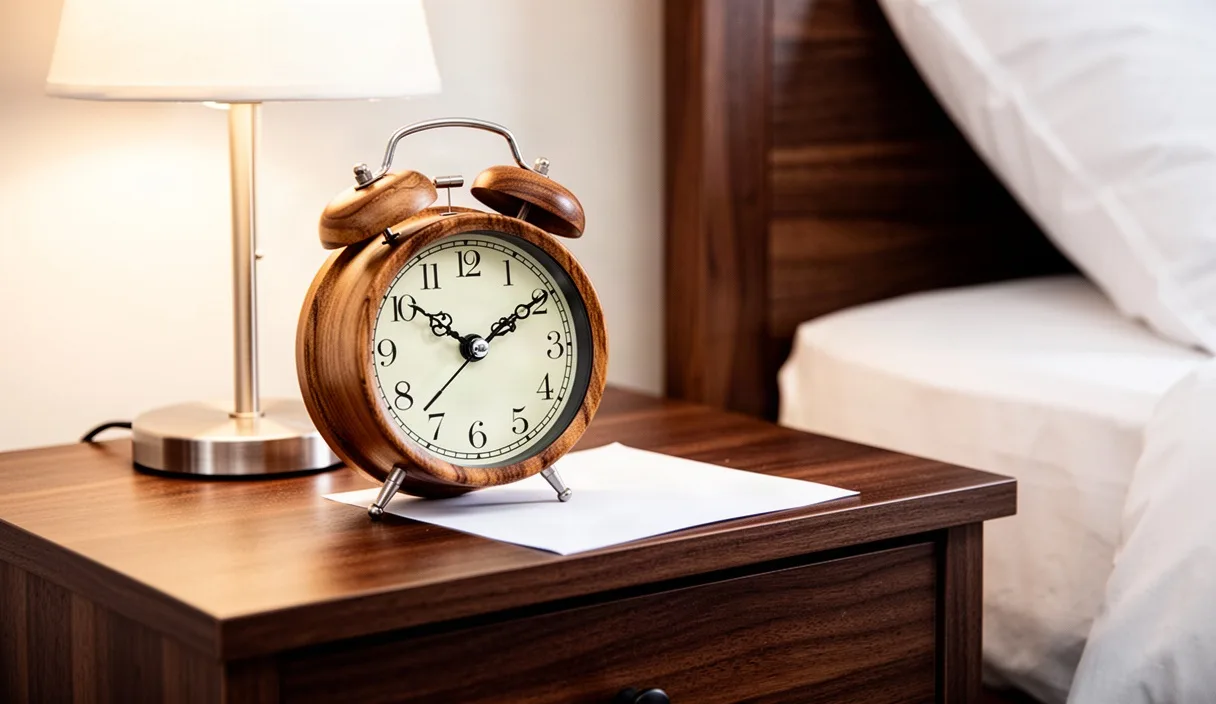


Most of us can recall a time in our early twenties when sleep simply happened. You could drink a late espresso, stare at a laptop until midnight, fall into bed on an uneven mattress, and wake up seven hours later feeling reasonably functional. Sometime around your thirty-first or thirty-fourth birthday, that biological grace period quietly expires. Sleep becomes something that requires deliberate care, and mornings carry the physical receipt of whatever happened the night before.
This shift is not a personal failure or an inevitable slide into exhaustion. It is a predictable physiological transition. As the nervous system and endocrine profile mature, our tolerance for erratic evenings drops. Developing an evening wind-down routine tailored to life after thirty is less about buying expensive linen sprays and more about giving your brain the unambiguous physical cues it now requires to cross the threshold into restorative rest.
Why sleep architecture changes as we enter our thirties
Sleep is not a uniform block of unconsciousness. It is constructed from repeating cycles of light sleep, rapid eye movement (REM) sleep, and slow-wave sleep (often called deep sleep). As we cross into our thirties, the proportion of time spent in slow-wave sleep begins a documented, gradual decline. Research indicates that adults lose roughly one to two percent of deep sleep per decade starting in early adulthood. This means your sleep becomes lighter by default, making you far more susceptible to waking from subtle noises, slight shifts in room temperature, or a racing pulse.
At the same time, the production of growth hormone, which surges during deep sleep to rebuild muscle tissue and repair cellular damage, begins to taper down. You might notice that poor sleep at thirty-five brings stiffness or brain fog that lingers until noon, whereas at twenty-two it was easily cleared by a cold shower. Your body simply takes longer to process physiological recovery when deep slow-wave periods are truncated.
Circadian rhythms also undergo a subtle phase advance. Many adults in their thirties notice their natural dip in energy arrives earlier in the evening than it used to, yet work schedules, family commitments, or social habits push bedtime later. Fighting that natural sleep gate creates a state of hyperarousal where you feel exhausted on the sofa, only to feel strangely wired once your head touches the pillow. Understanding these structural changes removes the frustration: your body has not broken, it just demands clearer operating parameters.
The impact of blue light and overhead lighting on sleep latency
Sleep latency refers to the amount of time it takes to transition from full wakefulness to light sleep. In our twenties, high adenosine pressure (the chemical tiredness built up over hours awake) can often bulldoze through poor lighting choices. After thirty, lighting choices directly dictate whether your brain secretes melatonin on schedule or delays it by an hour or two.
The ganglion cells in the human retina are particularly sensitive to short-wavelength blue light, which peaks around 460 to 480 nanometers. Sunlight contains abundant blue light, signalling to the suprachiasmatic nucleus that it is midday and energy should stay high. Modern residential lighting, computer monitors, tablets, and mobile phones mimic that midday spectrum. When you sit beneath a bright overhead LED pendant while checking messages at 9:30 PM, your brain interprets the scene as high noon in midsummer.
| Light Source | Typical Illuminance (Lux) | Impact on Melatonin Onset |
|---|---|---|
| Standard overhead LED downlights | 200 to 450 lux | Significant suppression; delays onset by 60 to 90 minutes |
| Smartphone or tablet at arm's length | 40 to 120 lux | Moderate suppression; increases alert state and cognitive arousal |
| Low-level floor lamp with warm bulb (2200K) | 20 to 45 lux | Minimal suppression; permits natural evening melatonin synthesis |
| Beeswax candle or amber nightlight | 2 to 8 lux | Negligible impact; ideal for the final 30 minutes before sleep |
Controlling light does not require living in total darkness after dusk. A practical approach is switching off all ceiling fixtures around two hours before your target bedtime. Shift down to lamps placed below eye level, equipped with warm incandescent or low-Kelvin LED bulbs (2700 Kelvin or lower). Keeping light sources below eye level mimics the angle of a setting sun, which provides a secondary, evolutionary cue to your nervous system that the active portion of the day has closed.
Optimising bedroom temperature and ventilation for sleep cycles
To initiate sleep, your core body temperature must fall by approximately one degree Celsius. This drop allows blood to pool in peripheral tissues like your hands and feet, which cool your core through vasodilation. If your sleeping environment is too warm, your thermoregulatory system works overtime to dump heat, which prevents your heart rate from dropping to its baseline resting level and frequently wakes you from stage two sleep.
For most adults, the ideal ambient bedroom temperature sits between 16 and 19 degrees Celsius. While that might feel surprisingly brisk when you first walk into the room, it aligns neatly with the thermal insulation provided by standard bedding. If you run cold, add a breathable wool or cotton blanket rather than turning up the central heating, as synthetic blankets and excessive ambient heat trap moisture against your skin, triggering micro-arousals during the night.
Ventilation is equally critical yet routinely ignored. A closed bedroom with two adults and a closed door can see carbon dioxide concentrations rise from outdoor levels of 420 parts per million to well over 1800 parts per million by 3:00 AM. Elevated carbon dioxide reduces sleep depth and contributes directly to morning headaches and feelings of grogginess. Leaving the bedroom door slightly ajar, or cracking a window by just two centimeters, creates a continuous air exchange that keeps carbon dioxide below 900 parts per million and supports continuous, restorative cycles.
A three-part decompression framework: physical, visual, and cognitive
A reliable evening routine does not need to consume three hours. A focused, 45-minute decompression period divided into three specific categories will reliably signal your autonomic nervous system to downshift from sympathetic (fight or flight) to parasympathetic (rest and digest) dominance.
Physical downshift
Physical tension accumulates throughout the day in specific anchor zones: the jaw, the upper trapezius, the hip flexors, and the calves. If you go directly from your desk or a busy commute to bed, that muscular tone persists, keeping your nervous system primed for action.
- Warm shower or bath: Take a 10-minute warm shower approximately 60 to 90 minutes before your head hits the pillow. The hot water draws blood to the surface of your skin; when you step out, that heat radiates away quickly, accelerating the internal core temperature drop needed to fall asleep.
- Passive tissue release: Spend four minutes on a carpet or yoga mat doing gentle movements. Focus on a low lunge to lengthen hip flexors tightened by long hours of sitting, followed by a supported child's pose with your forehead resting on a folded towel. Keep breathing through your nose with exhales that last longer than your inhales.
- Magnesium balance: Some people find that a balanced evening meal containing magnesium-rich foods like pumpkin seeds, spinach, or almonds helps muscular relaxation. If you consider taking an oral supplement such as magnesium glycinate, speak with a doctor or registered dietitian to confirm it does not interact with any medications you take.
Visual quiet
Visual stimulation keeps the prefrontal cortex analyzing, comparing, and predicting. The goal here is to reduce high-contrast visual inputs and limit rapid information feeds during the final 45 minutes of your waking day.
- The device docking station: Plug your phone into a charger located outside the bedroom, or at least across the room out of arm's reach, at a set time each evening. If you use your phone as an alarm, purchase an inexpensive standalone digital clock with a dim red display instead.
- Analog reading: Read printed material or use an unlit e-ink reader. Choose fiction, nature writing, or biographies rather than gripping thrillers or work-related documents that stimulate problem-solving pathways.
- Visual perimeter check: Take two minutes to clear clutter off your nightstand and the surface immediately in front of your bed. Waking up to an untidy stack of bills or work paperwork produces an immediate micro-spike in morning daily balance.
Cognitive offloading
The primary complaint of people in their thirties is rarely that their body is not tired; it is that their mind starts working the moment the lights go out. Cognitive offloading transfers mental tasks from your working memory onto paper so your brain feels safe releasing them.
- The five-minute brain dump: Sit with a plain notebook and write down every unfinished task, errand, and unresolved thought currently floating in your mind. Do not organise or edit this list; simply get it out of your head and onto the page.
- Tomorrow's primary task: Review your scribbled list and circle the single most important task for the following day. Write out the very first concrete physical action you will take to start it (for example, "open the spreadsheet and review column B"). This closes the open cognitive loop that typically triggers midnight panic.
- Perspective grounding: Write down one simple observation from the day that went well. This is not about forced gratitude; it is a neurological check that signals to your threat-detection machinery that you survived the day and are currently secure.
Maintaining consistency across workdays and weekends without rigid rules
One of the most disruptive patterns for adults over thirty is the weekend recovery cycle. Staying awake until 1:00 AM on Friday and Saturday, then sleeping in until 9:30 AM to repay sleep debt, creates a condition known as social jetlag. By Sunday evening, your internal biological clock thinks you have travelled three time zones west, making an 10:30 PM bedtime nearly impossible and turning Monday morning into a physical ordeal.
Perfect rigidity is neither necessary nor pleasant. A durable system relies on anchoring your wake-up time rather than forcing a strict bedtime. If your standard weekday wake time is 6:45 AM, try to keep your weekend wake-up time within 45 to 60 minutes of that benchmark, regardless of when you went to sleep. This preserves your peripheral circadian clocks and ensures your sleep drive builds sufficiently during the day to allow easy rest on Sunday night.
If you have an unusually late night out, wake up close to your normal time on Saturday or Sunday, have a nutritious breakfast, and take a brief 20-minute nap between 1:00 PM and 2:30 PM instead of sleeping away the morning. A short afternoon rest takes the edge off severe tiredness without draining the reservoir of adenosine you need for Sunday night. Consistency beats perfection every single time.
Common mistakes
Even with good intentions, several widespread habits frequently undermine sleep quality for adults in this age bracket:
- Using alcohol as a sedative: A glass of wine may shorten sleep latency because it acts on GABA receptors, but as your liver metabolises the ethanol over the following three to five hours, it produces a rebound sympathetic spike. Alcohol fragments REM sleep and significantly raises overnight heart rate.
- High-intensity evening workouts: Finishing heavy strength training or interval running within two hours of bed spikes your core body temperature and daily balance levels. If late evenings are your only workout window, focus on moderate lifting or easy cardio, leaving heavy sprints for the morning or midday.
- Lying awake in bed for hours: If you are still fully awake after 25 minutes, stay in bed no longer. Tossing and turning conditions your brain to associate the mattress with frustration and vigilance. Get out of bed, sit in a dimly lit room, read a dry book, and return only when your eyelids feel heavy.
- Eating large meals right before sleep: Digestion requires metabolic effort, which raises core temperature and blood flow to the digestive tract. Try to finish substantial dinners at least two and a half to three hours before lying flat to prevent silent acid reflux and restless sleep.
Next steps for your evening routine
Building a workable wind-down routine is an experiment in personal biology, not a test of moral character. Trying to change everything at once usually leads to abandoning the effort by Thursday night. Pick two adjustments to implement over the next seven days:
- Move your mobile phone charger out of reach of your bed tonight, and set a low-Kelvin lamp as your only light source in the bedroom.
- Commit to a four-minute cognitive brain dump in a notebook 30 minutes before you intend to turn out the light.
Observe how your mornings feel after three consecutive days of this baseline. If chronic restful sleep support, restless legs, or loud snoring that leaves you exhausted despite eight hours in bed persist, set an appointment with your general practitioner or an accredited sleep specialist. For the vast majority of us, however, aligning with our post-thirty biology through simple, predictable evening cues is all it takes to restore quiet, uninterrupted nights.